

Naturally Dyed Easter Eggs are my go to move when I want something cute for the holiday but I also do not want to deal with those neon dye tablets that smell a little weird and stain everything in a two foot radius. If you have ever tried to dye eggs with the kids, you know the scene. Colored fingers, splattered counters, and one egg that rolls off the table at the exact wrong moment. Natural dyes slow things down in a good way, and the colors feel softer and honestly kind of magical. Plus, you probably already have a bunch of the ingredients in your kitchen.
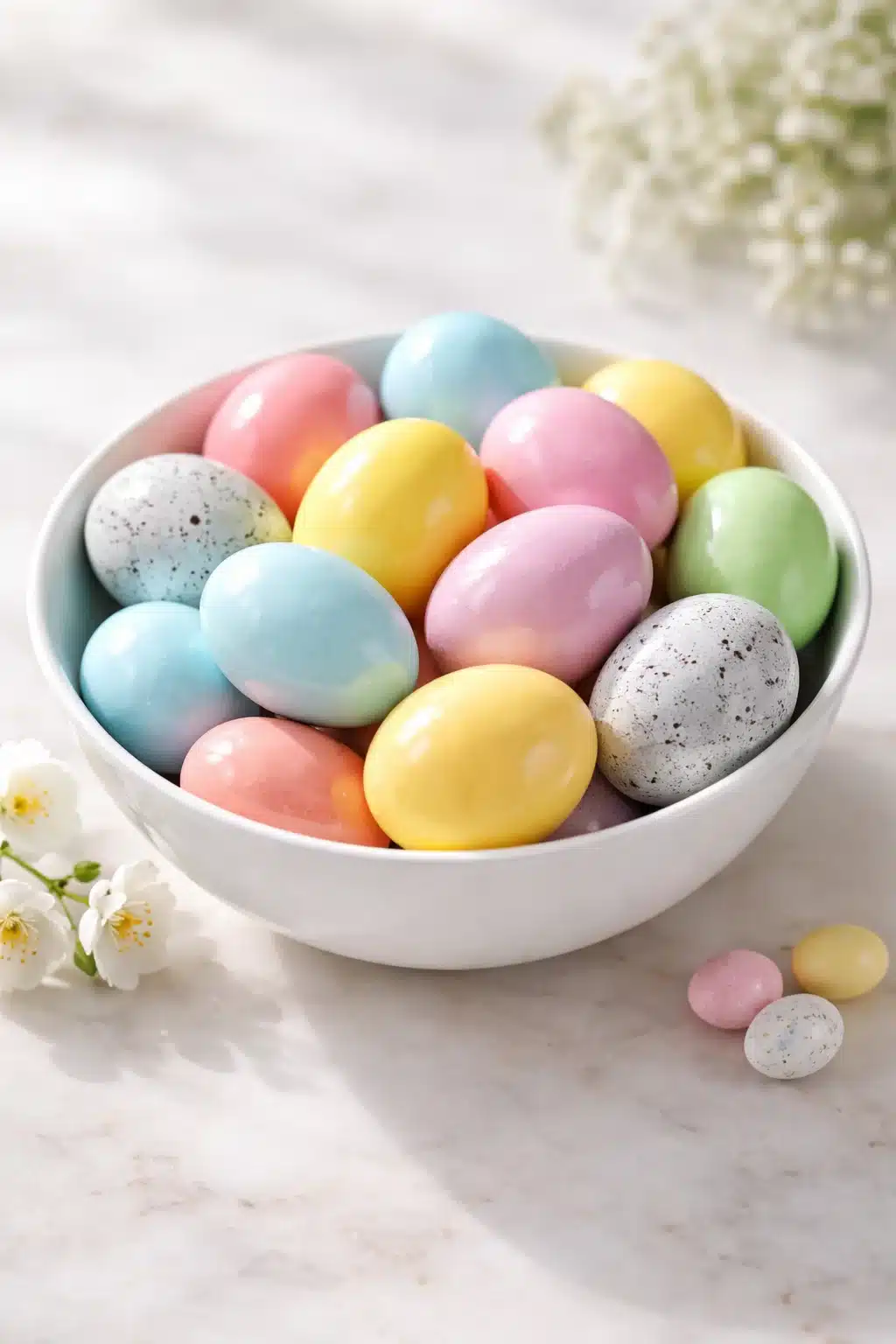
How to Create the Perfect Colors for Naturally Dyed Easter Eggs
The biggest secret to good natural color is patience. Natural dyes do not usually give you that instant bright color in 30 seconds. But if you let the eggs sit, the shades deepen and you get those pretty watercolor looking tones that make your basket look like it came from a cozy little farm shop.
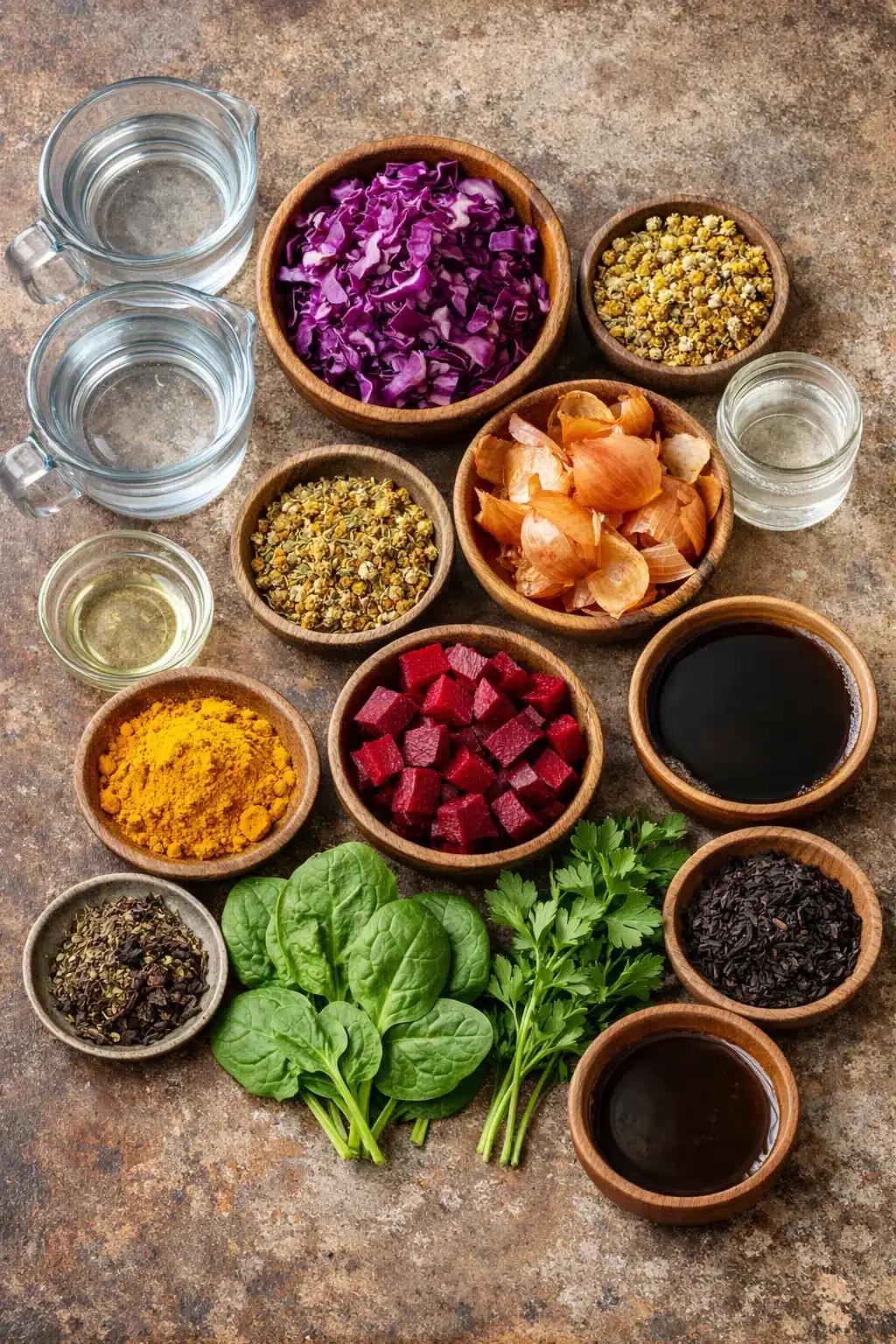
Here is my simple base method that works for most ingredients. I keep it easy and repeatable, because I do this every year and I do not want a complicated science project.
A simple base dye method that works for most colors
For each dye color, I use a small pot and aim for a strong dye bath. Think of it like making a really bold tea.
- Use about 2 cups of water for one dye bath.
- Add 1 to 2 cups of chopped dye ingredient (like cabbage or onion skins). For powders or tea, use a few tablespoons or a couple of tea bags.
- Simmer 15 to 30 minutes until the water looks deeply colored.
- Strain the dye into a bowl or jar.
- Add 1 to 2 tablespoons vinegar to help the color stick.
- Soak eggs anywhere from 20 minutes to overnight in the fridge for deeper shades.
Quick tip that saved me a lot of frustration: start with white eggs for bright colors and brown eggs for moody, earthy colors. Brown eggs dyed with red cabbage can turn a stormy blue gray that looks straight up fancy.
Also, do not skip the vinegar. It helps the dye bond better. The eggs will not taste like vinegar, I promise. It is just doing its behind the scenes job.
If you want fewer blotches, wipe your eggs with a little vinegar before dyeing. Any oils from your hands can block the color. I learned that after admiring my pretty dye jars and then wondering why my eggs looked like they had tiny bald spots.
Naturally-Dyed Easter Eggs Techniques
Once you have your dye baths, the fun part starts. Naturally Dyed Easter Eggs can look simple and classic, or you can get really artsy with almost no extra effort. The best part is that little surprises happen. Like when you pull an egg out and it has a soft marbled pattern you did not plan. Those are my favorite ones.
Here are a few techniques I actually use at home, without turning my kitchen into a craft store.
Basic soak: This is the easiest. Just place the egg in the dye and wait. Rotate it once or twice if part of it is sticking out.
Speckled look: Add a pinch of dried herbs like thyme or crumbled tea leaves in the dye bath. Let them cling to the egg while it soaks. You will get little freckles.
Marble effect: Add a teaspoon of cooking oil to the dye bowl and gently swirl. Dip the egg and roll it around. The oil resists the dye in spots and makes that marbled look.
Two tone dip: Dip half the egg in one color, let it dry, then dip the other half in another color. Overlapping makes a third shade in the middle, which is always satisfying.
Rub and shine: When the eggs are fully dry, buff them with a tiny bit of neutral oil on a paper towel. It brings out the color and makes them look smooth and polished.
“I tried natural dyes for the first time last Easter and they turned out way prettier than the kit ones. The red cabbage blue blew my mind, and my kids kept checking the eggs like they were treasure.”
If you are dyeing with little kids, keep a couple of “fast win” colors ready, like turmeric yellow. Then you can also do longer soaks for deeper shades. It keeps everyone happy and nobody starts poking the eggs every thirty seconds asking if they are done yet.
Common Ingredients for Natural Dyeing
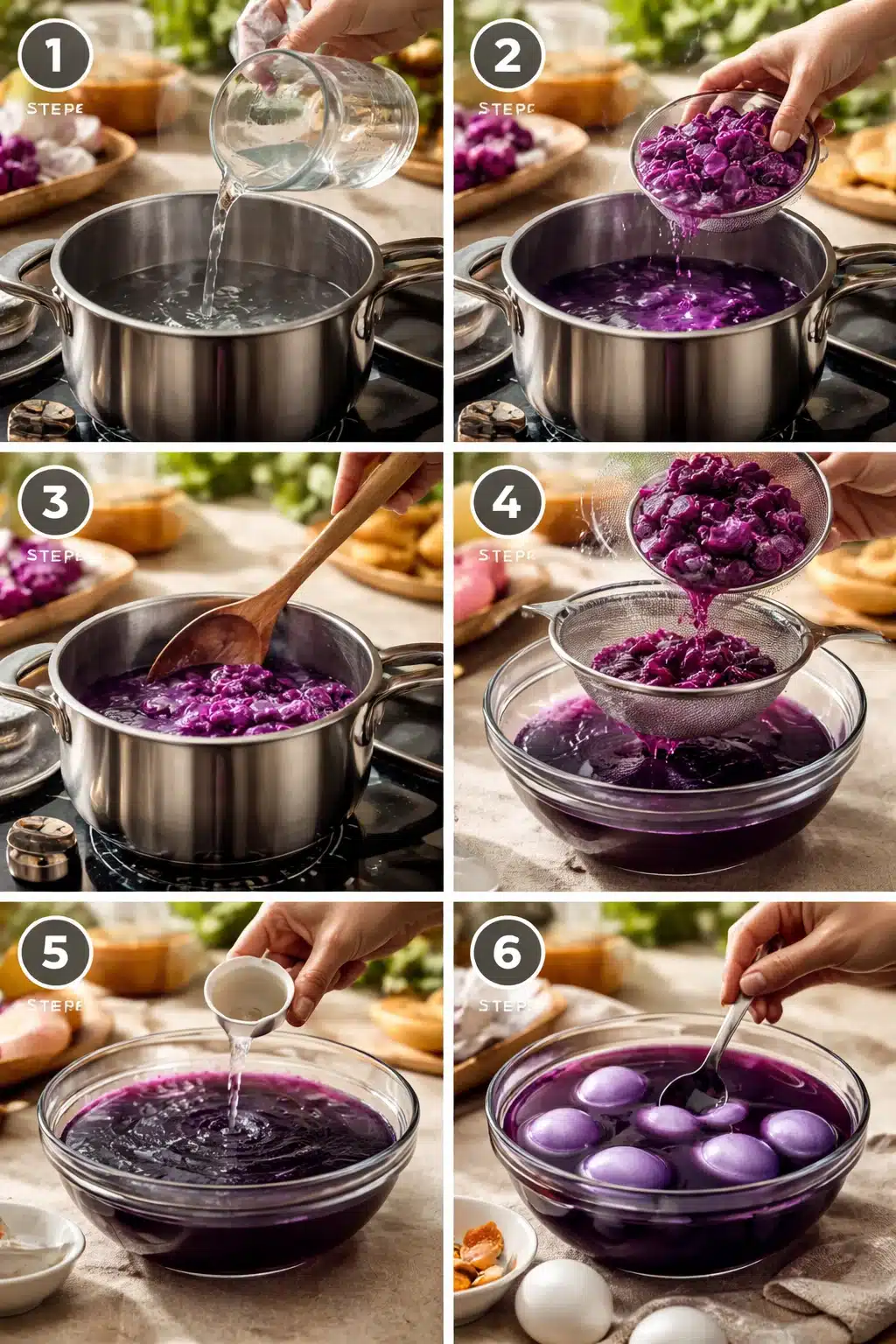
This is the part where your fridge and pantry get to be the star. I love that natural dyeing feels like cooking and crafting at the same time. And if you are already cooking for Easter, you can save scraps like onion skins instead of tossing them.
Here are reliable ingredients that give nice color, along with what to expect. Color varies based on egg color, dye strength, and soak time, so treat this like a friendly guide, not a strict promise.
Blue to purple: Red cabbage. It is the classic. White eggs can turn blue, periwinkle, or even lavender. Brown eggs can go gray blue.
Yellow: Turmeric is bold and fast. You can also use chamomile tea, but it is lighter and more buttery.
Orange to rust: Yellow onion skins give warm amber shades. If you use a lot of skins and soak longer, you get that deep copper look.
Red to pink: Beets can give blush pink, especially on white eggs. For deeper pink, let them soak in the fridge for hours. Some batches turn more tan than pink, so do not be disappointed. It still looks pretty.
Green: Spinach or parsley can give a soft green, but it is usually pale. If you really want green, try dyeing blue first (cabbage) and then dip in a yellow dye bath (turmeric) for a layered green effect.
Brown: Coffee or black tea gives warm tan and brown shades, and it is super easy. This one feels very cozy and vintage.
One more thing that helps: use a pot you do not mind getting slightly stained. Some ingredients, especially turmeric, can tint plastic and some surfaces. I usually use glass jars or old bowls for soaking.
And if you are wondering about Naturally Dyed Easter Eggs and food safety, the short version is yes, they are still just hard boiled eggs. The dye is on the shell. Just keep them chilled if you plan to eat them later.
Tips for Preparing and Storing Dyed Eggs
Let us talk about the not so glamorous part. Boiling, handling, and storing. This is where most egg dyeing disasters happen. I have absolutely overcooked eggs, cracked them mid dye, and then tried to pretend it was a design choice.
Start with clean eggs: If there is any residue on the shell, the dye grabs unevenly. A quick wipe with vinegar helps.
Hard boil gently: I like to place eggs in a pot, cover with water, bring to a gentle boil, then turn off the heat and cover for about 10 to 12 minutes. Then straight into an ice bath. Less cracking, easier peeling.
Cool eggs before dyeing: Warm eggs can take dye faster, but they also sweat and can cause odd streaks. I usually dye once they are cool to the touch.
Dry on a rack: A cooling rack is great. If you do not have one, stand eggs upright in an empty egg carton. Just know it might stick a bit where it touches.
Store safely: If you are eating them, keep them in the fridge and try to finish within a week. If they sat out at room temp for more than 2 hours, I do not mess around. I toss them.
Handle with care: Natural dyes can rub off a bit until fully dry. I try to avoid touching them too much right after they come out of the dye.
One of my favorite little routines is dyeing in the evening, then leaving the jars in the fridge overnight. In the morning, the colors look richer and I feel like I got away with something, like I did a fun project while I slept.
Creative Ideas for Decorating Naturally Dyed Easter Eggs
This is the part where you can make your Naturally Dyed Easter Eggs look extra special without buying a single fancy tool. Natural color already has that soft, organic vibe, so simple decorations look really good.
Leaf prints: Press a small leaf or parsley sprig onto the egg, wrap it tightly in a piece of nylon stocking, then dye. When you unwrap it, you get a little plant silhouette.
Rubber band lines: Wrap rubber bands around the egg before dyeing for simple stripes. It is easy and kids love it.
Wax resist doodles: Use a white crayon to draw dots or little shapes before dyeing. The wax resists the dye. It is not perfect line art, but that is the charm.
Sticker shapes: Add tiny stickers, dye the egg, let it dry, then peel. Stars and hearts are cute if you have them.
Layered dips: Dip in a light color first, dry it, then dip partly in a darker color. You get an ombre look with almost no effort.
If you are making a centerpiece, mix shades and textures. A few glossy buffed eggs, a few matte ones, and a couple marbled. Put them in a bowl with a tea towel or a little nest of parchment paper strips. It looks charming in that effortless way, even if you were wearing pajama pants while you made them.
Common Questions
Do Naturally Dyed Easter Eggs need vinegar?
It really helps. Vinegar makes the color grab better and look more even. I use 1 to 2 tablespoons per dye bath.
How long should I soak the eggs?
For light color, 20 to 30 minutes can work. For deeper shades, refrigerate the eggs in the dye for a few hours or overnight.
Can I dye brown eggs?
Yes, and they are beautiful. The colors will be deeper and more muted. Expect earthy jewel tones instead of bright pastels.
Why are my eggs blotchy?
Usually it is oil or residue on the shell, or the egg was touching the side of the bowl. Wipe with vinegar first and rotate the egg once or twice while soaking.
Can I eat the eggs after dyeing them naturally?
Yep, as long as they were handled safely. Keep them chilled, do not leave them out too long, and eat within about a week.
A sweet little Easter project you will actually want to repeat
Natural dyeing is slower than the store bought kit, but that is kind of the point. You get calmer vibes, gorgeous color, and a basket that looks one of a kind. Start with one or two dyes like red cabbage and turmeric, then add more next year once you know what you love. If you make a little mess, it is fine, that is part of the story. Try a batch of Naturally Dyed Easter Eggs this Easter and let yourself be surprised by how pretty they turn out.

Naturally Dyed Easter Eggs
- Prep Time: 15 minutes
- Cook Time: 30 minutes
- Total Time: 45 minutes
- Yield: Dozen eggs
- Category: Craft
- Method: Dyeing
- Cuisine: American
- Diet: Vegetarian
Description
A creative guide to dyeing Easter eggs using natural ingredients for beautiful, soft colors.
Ingredients
- 2 cups water
- 1 to 2 cups chopped dye ingredient (e.g. cabbage, onion skins)
- 1 to 2 tablespoons vinegar
Instructions
- In a pot, bring 2 cups of water to a boil.
- Add 1 to 2 cups of chopped dye ingredient and simmer for 15 to 30 minutes.
- Strain the dye into a bowl or jar.
- Add 1 to 2 tablespoons of vinegar to the dye bath.
- Soak eggs for 20 minutes to overnight in the fridge.
Notes
Start with white eggs for vibrant colors. Use a pot that you don’t mind staining, and keep hard-boiled eggs chilled if planning to consume later.
Nutrition
- Serving Size: 1 egg
- Calories: 70
- Sugar: 0g
- Sodium: 0mg
- Fat: 5g
- Saturated Fat: 1g
- Unsaturated Fat: 4g
- Trans Fat: 0g
- Carbohydrates: 1g
- Fiber: 0g
- Protein: 6g
- Cholesterol: 186mg
